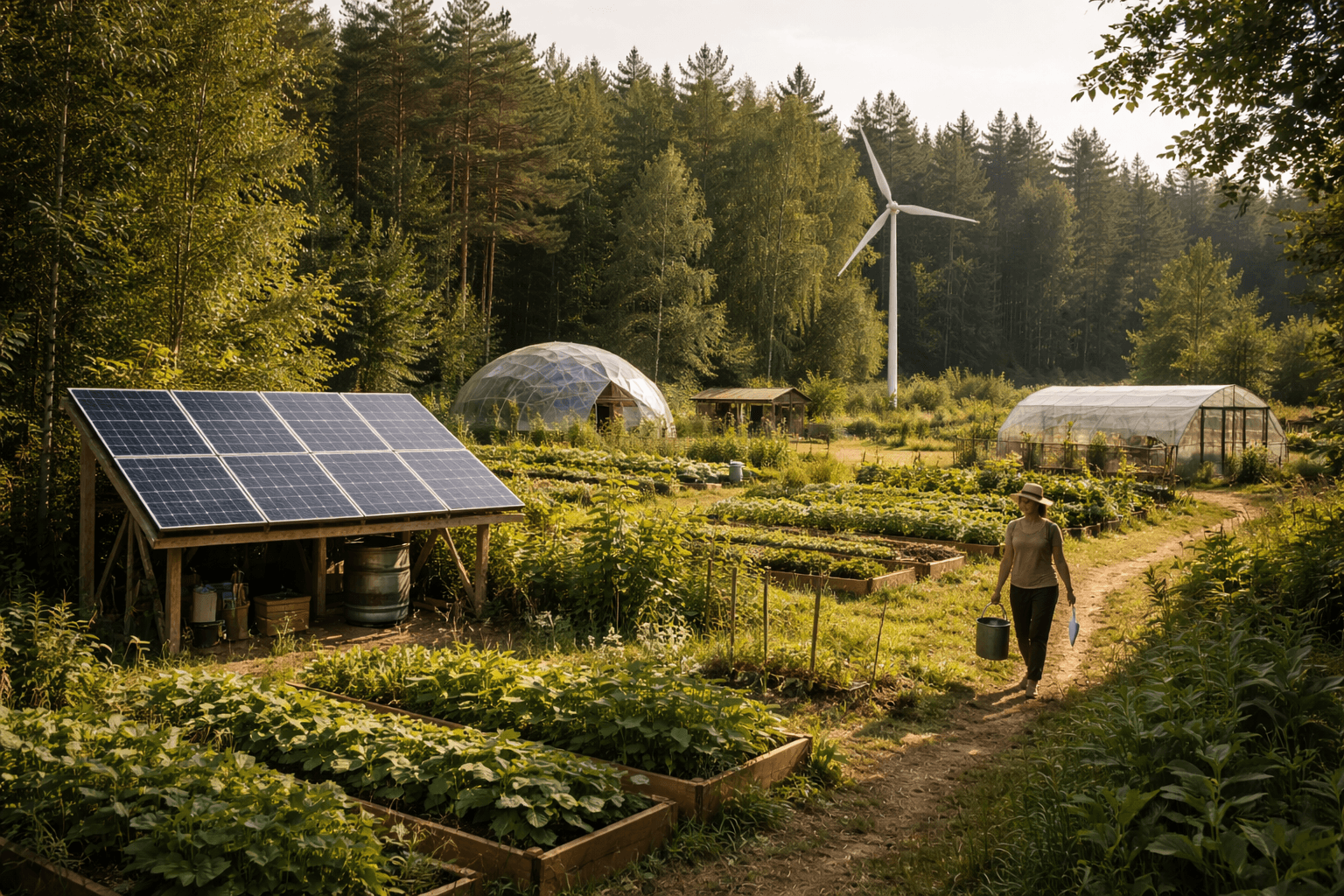
Scaling Nature-Based Community Spaces Across Europe
A structured, non-clinical model designed to expand locally and strengthen adult well-being, social connection, and social cohesion across European regions.
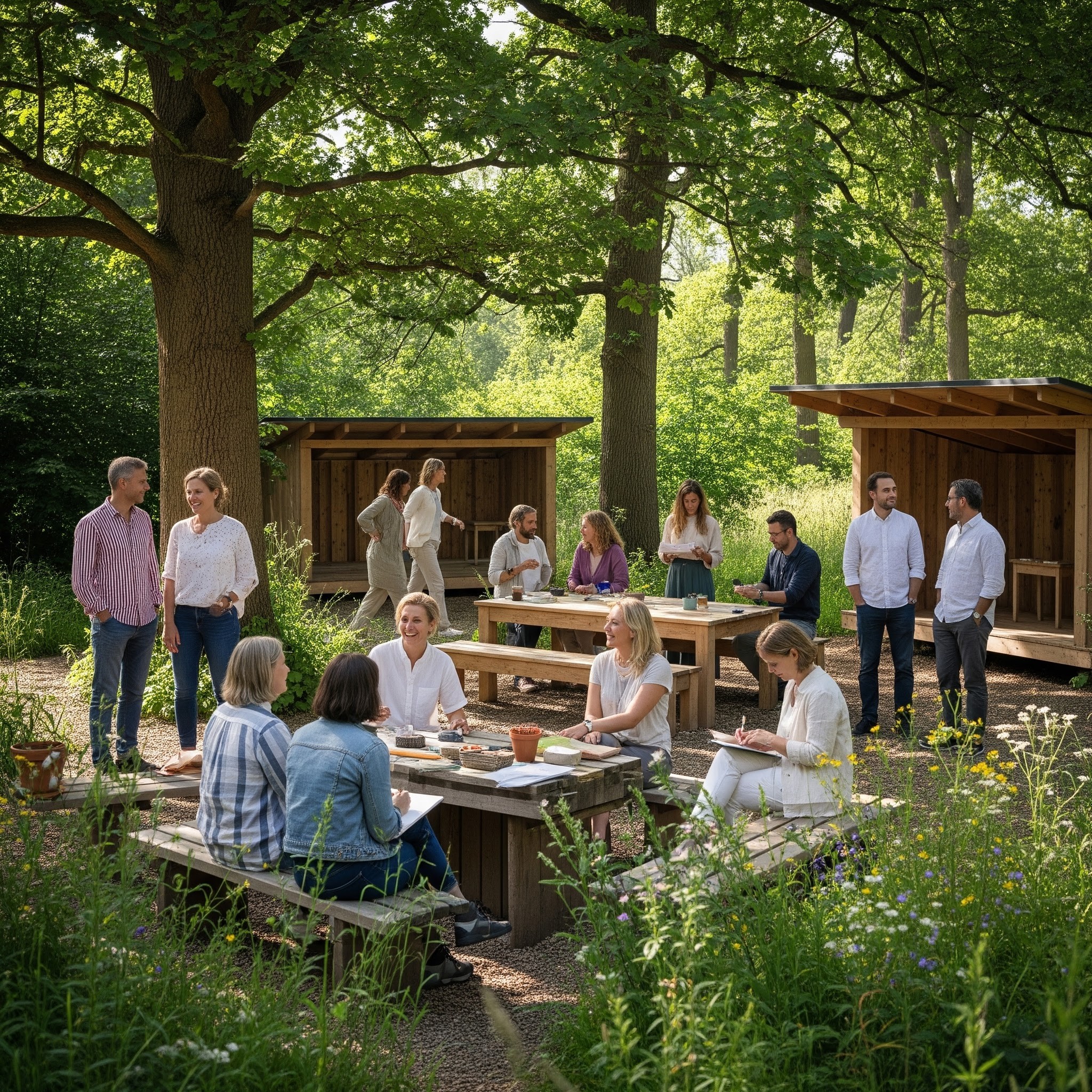
From Local Pilot to European Model
A Shared European Challenge
Across European countries, similar challenges are visible:
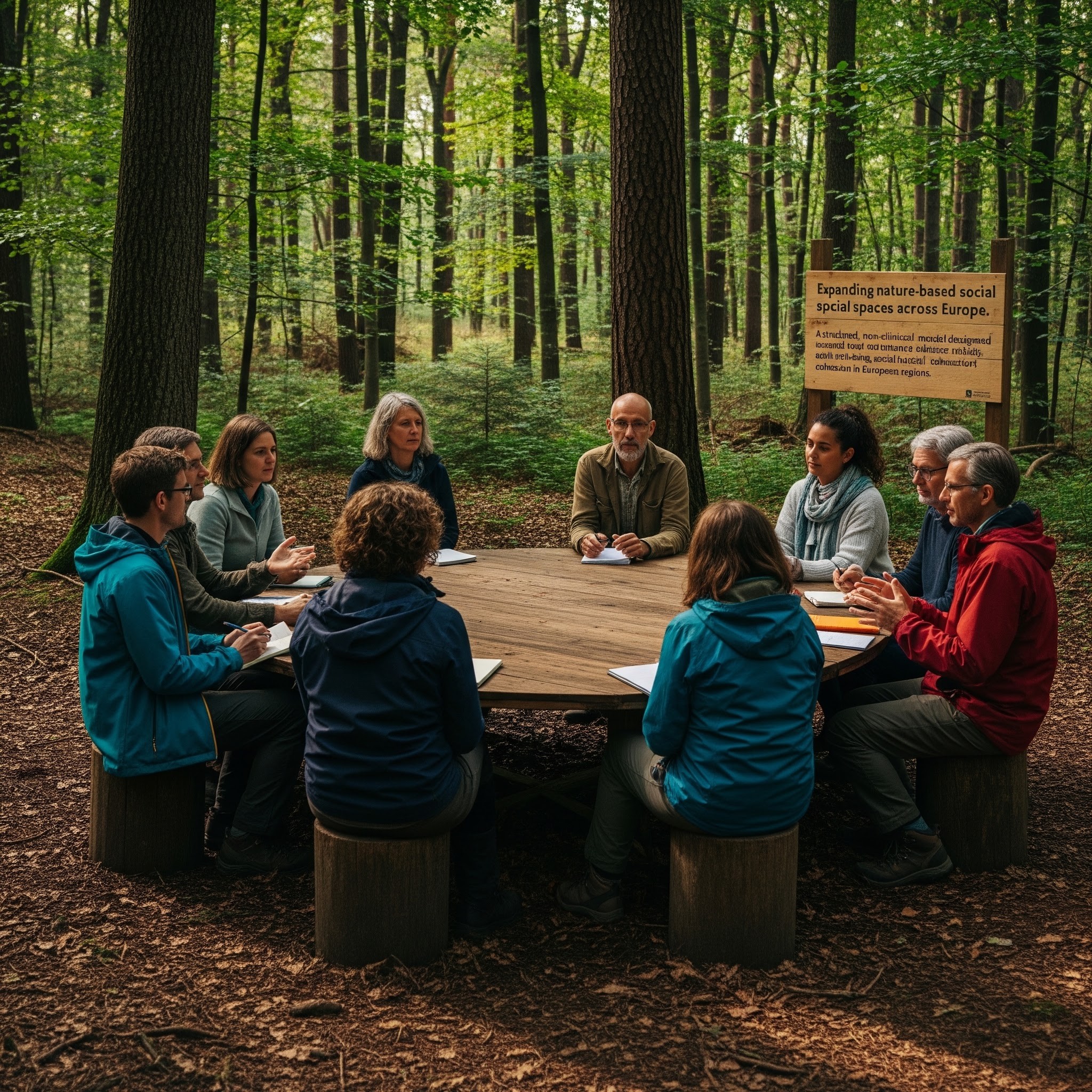
At the same time, communities are becoming more diverse and mobile, increasing the need for neutral, shared environments that support connection without identity barriers. Nidrana addresses these challenges through a local, repeatable model that can be adapted to different regions.
A Scalable, Local-First Approach
What Makes the Model Transferable
What Makes the Model Transferable
The Nidrana model can scale because it is:
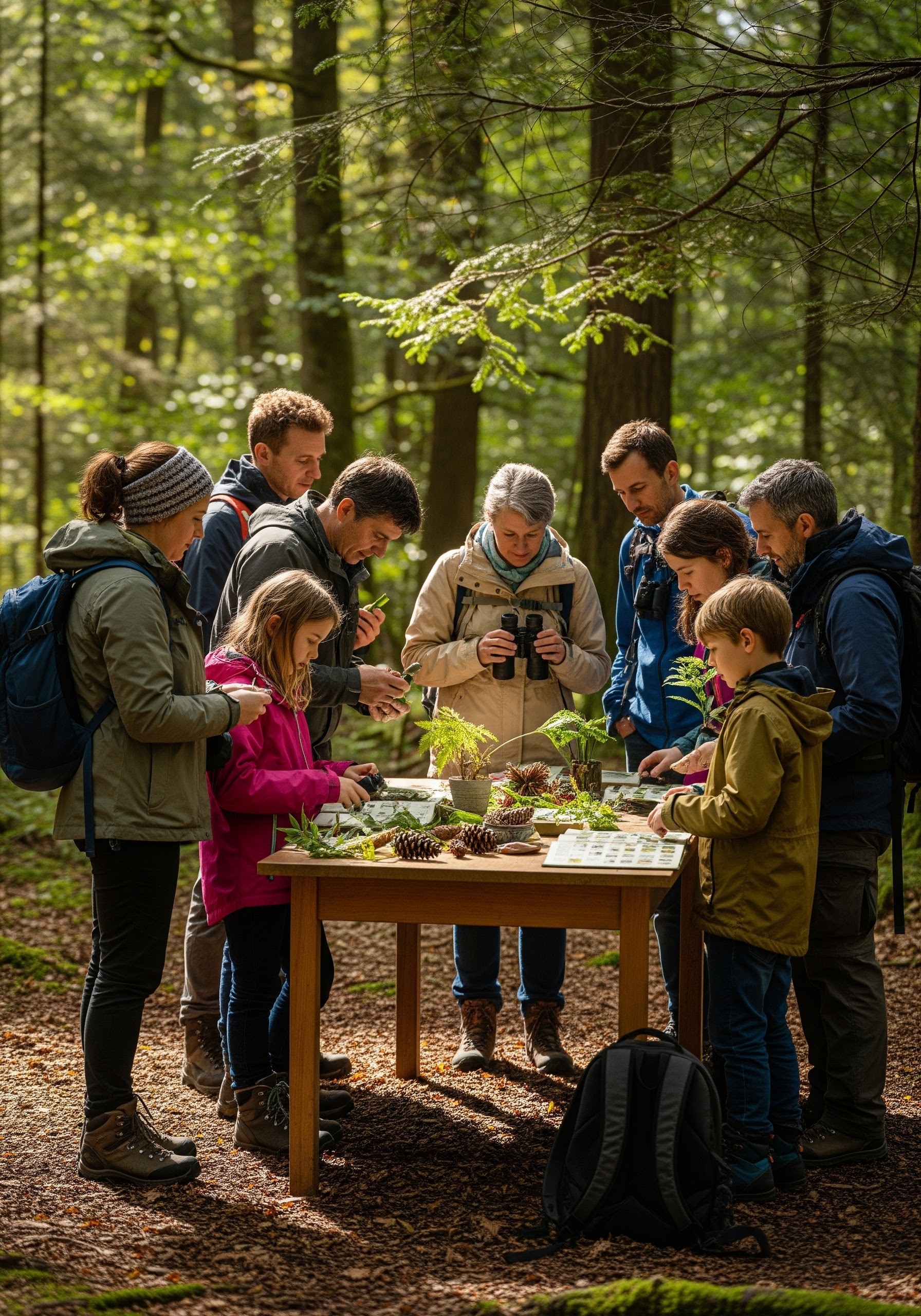
How Expansion Happens
Expansion follows a structured pathway:
01
Pilot Validation
Testing and evaluating the model in the Netherlands.
02
Local Partnerships
Working with municipalities, NGOs, and institutions in new regions.
03
Adaptation to Context
Adjusting the model to local culture, environment, and needs.
04
Implementation of Local Spaces
Establishing recurring community spaces with the same core structure.
05
Shared Learning and Feedback
Collecting data and improving the model across locations.

Nidrana contributes to key European priorities:
Mental well-being and prevention
Social cohesion and inclusion
Community participation
Public health support systems
Sustainable local infrastructure
The model complements EU initiatives by offering a practical, ground-level implementation.

The long-term vision is to create:
A network of nature-based Nidrana spaces across Europe
Shared standards for structure, safety, and evaluation
Ongoing collaboration between regions
Continuous improvement through data and experience
Each space remains local, but contributes to a broader system of learning and development.
Expansion depends on collaboration with:
Municipalities and regional authorities
NGOs and foundations
Research institutions
Community organizations
Landowners and space providers
Partnerships can include:
Funding
Access to land or facilities
Implementation support
Research and evaluation collaboration
Nidrana is not designed as a short-term project. It is designed as long-term public-interest infrastructure.
By focusing on:
Prevention
Reintegration
Community connection
Local accessibility
The model has the potential to reduce long-term pressure on:
Health systems
Social services
Community networks