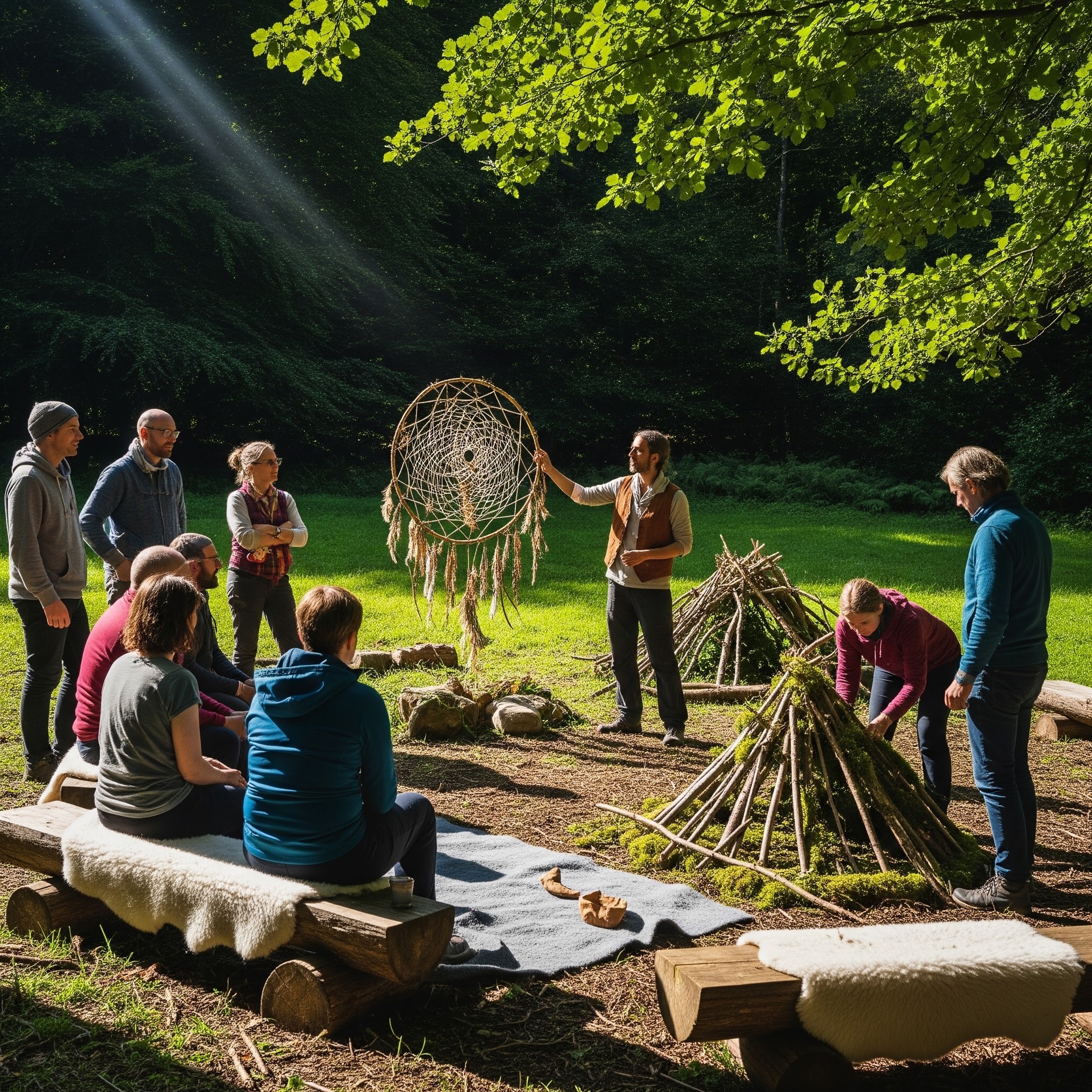
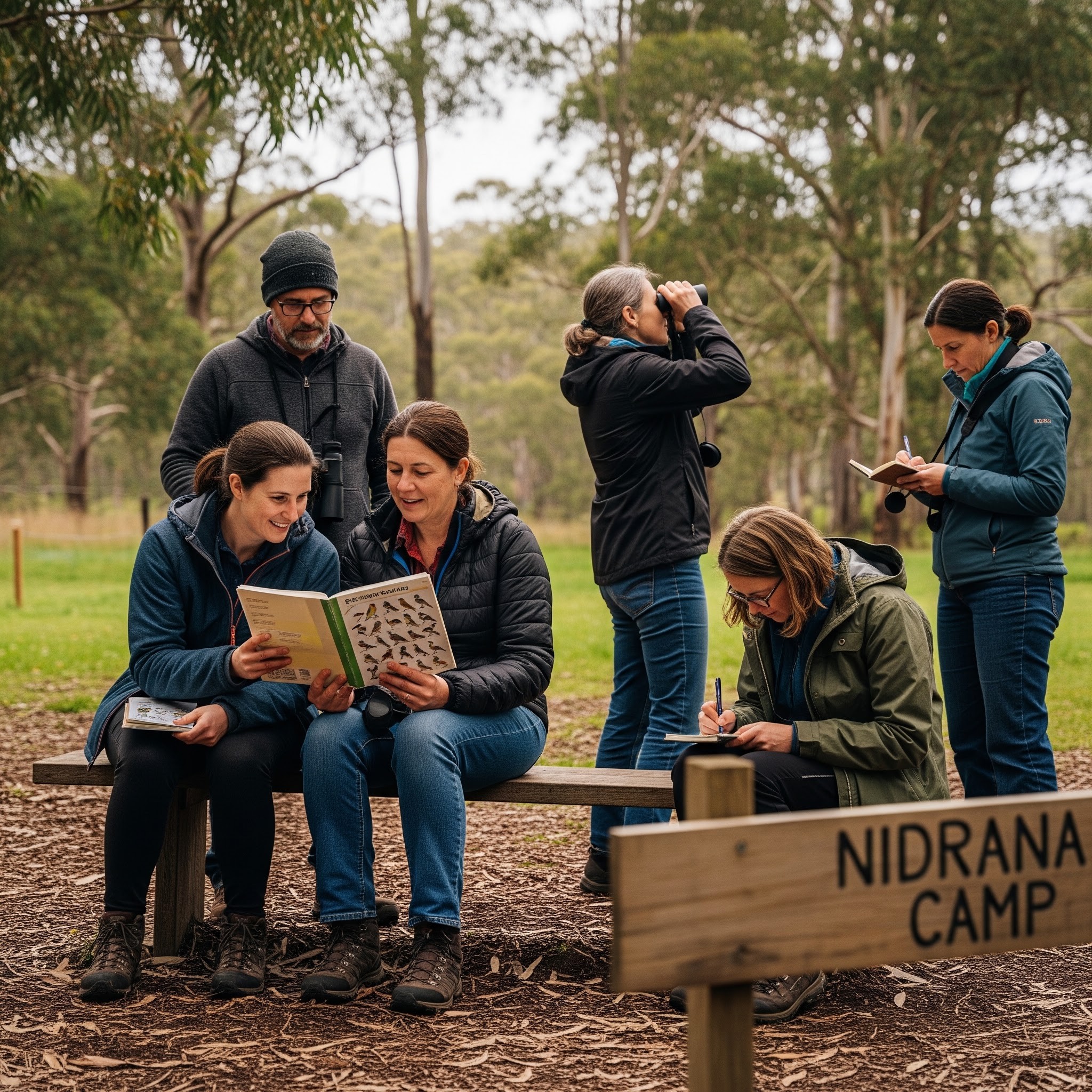
Nidrana Community Space Pilot – Netherlands

A 12-week, nature-based pilot study testing a new model for adult well-being, social connection, and community-based reintegration.

Hero Background
Hero Background

A New Approach to
Adult Well-Being

A New Approach to
Adult Well-Being

Across Europe, mental well-being is increasingly under pressure, while existing support systems remain limited in their ability to provide accessible, long-term, non-clinical environments. The Nidrana Community Space Pilot responds to this gap.


This pilot is designed to test whether recurring, local, nature-based community spaces can support:

  • Emotional stability

  • Reduced loneliness

  • Sustained social connection

  • Long-term participation


Unlike short-term interventions or retreat formats, Nidrana focuses on continuity over time. Participants return to the same place, with the same group, within a structured environment. This creates familiarity, safety, and a gradual sense of belonging.

Pilot Overview

The Nidrana pilot is a structured 12-week program designed to test feasibility, acceptability, and early outcomes.

Location

Location

in a nature-based setting such as a nature estate, ecological garden, or community space with both indoor and outdoor areas.

in a nature-based setting such as a nature estate, ecological garden, or community space with both indoor and outdoor areas.

 Veluwe / Gelderland

 Veluwe / Gelderland

Duration

Duration

Duration

 12 weeks

 12 weeks

Participants

Participants

24 adults

24 adults

Optional extended design: 24 additional waitlist participants for comparison

Optional extended design: 24 additional waitlist participants for comparison

Format

Format

 Weekly, non-residential sessions

 Weekly, non-residential sessions

Total Contact Time

Total Contact Time

 Approximately

52 to 64 hours

 Approximately

52 to 64 hours

Estimated Budget

Estimated Budget

Estimated Budget

 €50,000 to €70,000

 €50,000 to €70,000

Core Concept and Hypothesis

The pilot is built on a central hypothesis:

Regular access to the same local, nature-based space can create stronger and more sustainable benefits than one-time or short-term experiences.


Instead of focusing on intensity, the model focuses on:

  • repetition

  • familiarity

  • shared experience

  • gradual development of social connection

This allows participants to build a relationship with:

The Place

The Place

The Place

The Group

The Group

The Group

The Structure itself

The Structure itself

The Structure itself

The pilot is not designed as a retreat and does not include overnight stays. It reflects a long-term vision of local, accessible community spaces integrated into everyday life.

The pilot is not designed as a retreat and does not include overnight stays. It reflects a long-term vision of local, accessible community spaces integrated into everyday life.

Program Structure

What Happens in
Nidrana Spaces

The 12-week structure combines depth with sustainability.

Week 1

Extended Onboarding Day
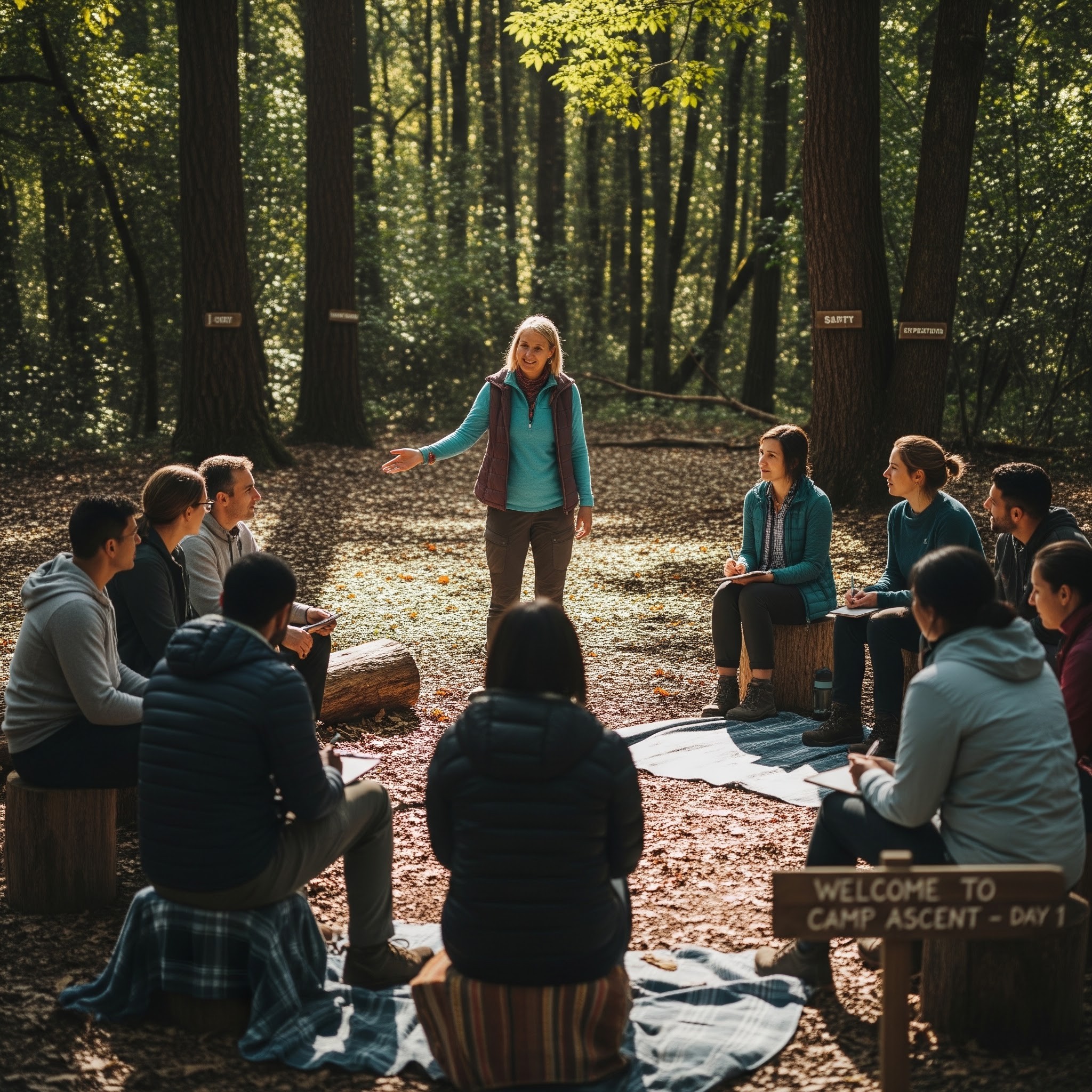
A 6 to 7 hour session designed to:


  • introduce the space and group

  • establish safety and expectations

  • create initial connection

  • collect baseline data

Weeks 2 to 11

Weekly Sessions

Weekly sessions of 4 to 5 hours designed to:


  • build rhythm and continuity

  • support regular participation

  • strengthen group familiarity

  • deepen engagement with the space

Week 12

Integration Day

A final extended session to:

  • reflect on the full experience

  • evaluate changes over time

  • explore continuation and future models


This structure allows meaningful development without overburdening participants.

Why This Format Was Chosen

Why This Format Was Chosen

Many existing programs are either too intensive or too fragmented.


A full-day weekly format can be unrealistic for people with:

  • work responsibilities

  • caregiving roles

  • limited energy or resources


    The Nidrana model balances:

  • depth and accessibility

  • participant retention

  • scientific evaluation needs

  • cost efficiency

  • long-term scalability


It provides a substantial engagement level while remaining realistic for everyday life.

Each session includes a combination of structured elements.

Each session includes a combination of structured elements.

Core Activities

Nature-Based Practices

Walking, observation, and interaction with the environment to support presence and attention.

Walking, observation, and interaction with the environment to support presence and attention.

Creative Expression

Creative Expression

Drawing, writing, movement, and hands-on activities without performance pressure or evaluation.

Drawing, writing, movement, and hands-on activities without performance pressure or evaluation.

Body-Based Awareness

Simple practices such as grounding, breathing awareness, and slow movement to support self-regulation.

Simple practices such as grounding, breathing awareness, and slow movement to support self-regulation.

Group-Based Interaction

Shared activities and cooperative formats that encourage connection without hierarchy.

Shared activities and cooperative formats that encourage connection without hierarchy.

Reflection

Individual or group reflection without analysis, interpretation, or therapeutic framing.

Individual or group reflection without analysis, interpretation, or therapeutic framing.

Shared Meals

Meals are part of the program, supporting informal connection and social trust.

Meals are part of the program, supporting informal connection and social trust.

Contribution to the Space

Participants contribute to maintaining or shaping the environment, reinforcing ownership and belonging.

Participants contribute to maintaining or shaping the environment, reinforcing ownership and belonging.

Objectives

The pilot evaluates both outcomes and feasibility.

Primary Objective

To assess whether participation is associated with:

  • improved well-being

  • reduced perceived stress

  • reduced loneliness

  • increased sense of belonging

To assess whether participation is associated with:

  • improved well-being

  • reduced perceived stress

  • reduced loneliness

  • increased sense of belonging

Secondary Objectives

Secondary Objectives

To evaluate:

  • attendance and retention

  • participant experience of safety and accessibility

  • interest in continuation

  • engagement from referral partners

  • potential for scaling the model

To evaluate:

  • attendance and retention

  • participant experience of safety and accessibility

  • interest in continuation

  • engagement from referral partners

  • potential for scaling the model

Research & Evaluation Design

Research & Evaluation Design

The pilot includes a structured evaluation framework.

Measurement Timeline

  • Before the program (baseline)

  • Midpoint (week 6)

  • End of program (week 12)

  • Follow-up (week 24)


  • Key Measures

  • Well-being

  • Loneliness

  • Perceived stress

  • Sense of belonging and place connection


Additional Data

  • Attendance and retention rates

  • Participant feedback

  • Facilitator observations

  • Demand indicators such as waiting lists


The goal is to generate credible, non-clinical evidence of feasibility and potential impact.
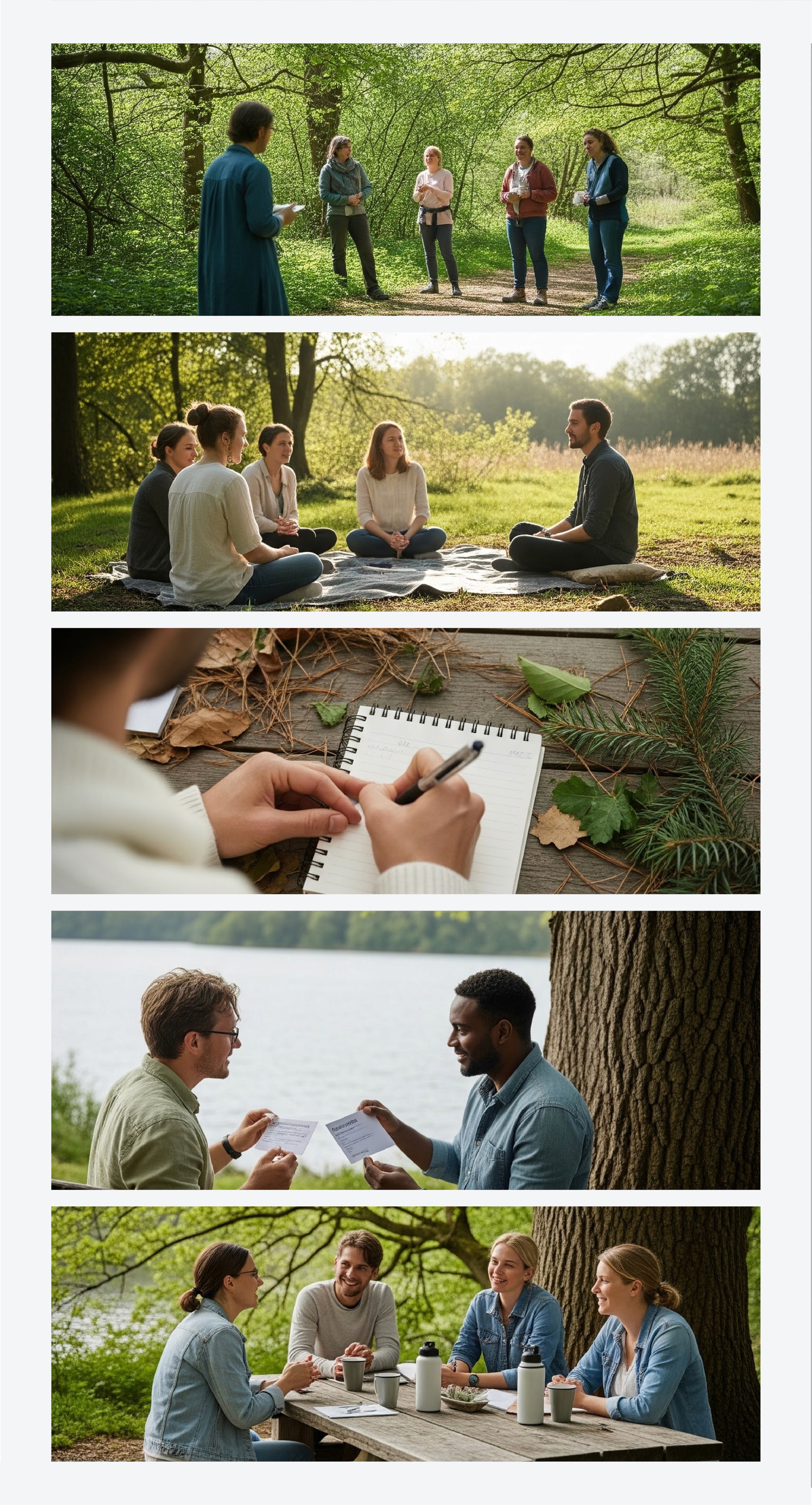
Target Group

The pilot focuses on adults aged approximately 25 to 65 who:

The pilot focuses on adults aged approximately 25 to 65 who:

  • Experience stress or life transitions

  • Feel socially disconnected

  • Lack access to supportive community environments

  • Can participate safely in a group setting


Participation is referral-based, through:

  • Social Services

    Municipalities

  • Community Organizations

  • NGOs

  • Health-related networks


The pilot does not include individuals requiring acute clinical care, ensuring safety and appropriate scope.
Hero Background
Hero Background

Location and Environment

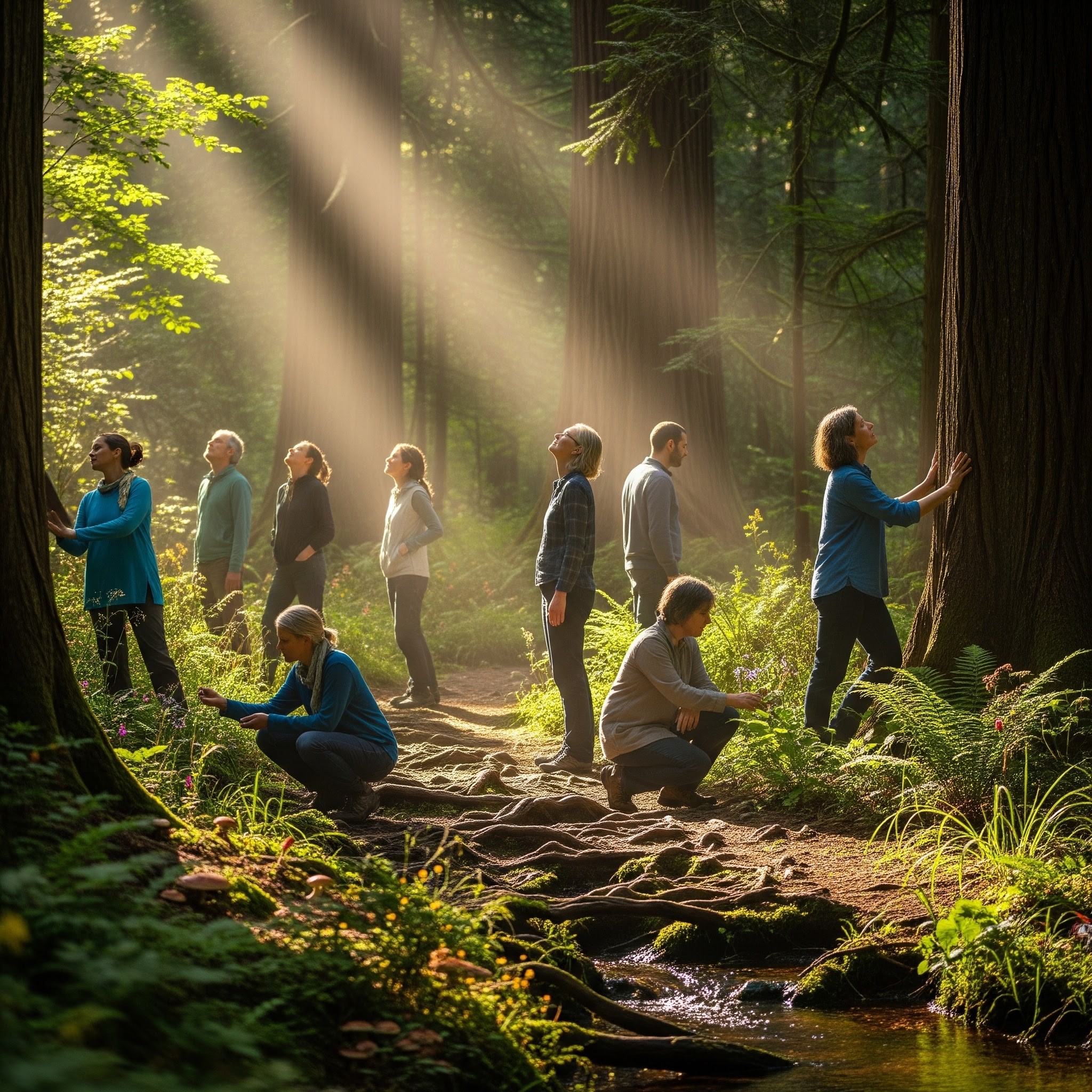
The pilot takes place in a nature-based environment in Veluwe / Gelderland.

The location must:

  • Include outdoor natural space

  • Provide indoor fallback areas

  • Support calm and privacy

  • Allow repeated weekly use

  • Be accessible by public transport or shuttle

The goal is to create a real place participants can return to, not a temporary venue.

The goal is to create a real place participants can return to, not a temporary venue.

Expected Outcomes and Success Criteria

The pilot is considered successful if it demonstrates:

Feasibility

Feasibility

  • Strong participant retention

  • Consistent attendance

  • Manageable delivery and costs

Impact (directional)

Impact (directional)

Impact (directional)

  • Improved well-being

  • Reduced stress

  • Reduced loneliness

  • Increased belonging

  • Improved well-being

  • Reduced stress

  • Reduced loneliness

  • Increased belonging

Demand

Demand

Demand

  • Interest in continuation

  • Engagement from referral partners

  • Potential waiting list

The pilot does not claim clinical effectiveness. It aims to demonstrate feasibility, value, and scalability.

This pilot is designed as a prototype for permanent Nidrana spaces.


Outputs include:

  • Evaluation report

  • Participant insights

  • Refined program structure

  • Scalable model for replication

  • Partnership development

The long-term goal is to establish local, nature-based community spaces across Europe that support adult well-being and social cohesion.

From Pilot to Scalable Model

From Pilot to Scalable Model

Support the First Nidrana Pilot

We are currently seeking partners and supporters to bring this pilot to life.

Support may include:
Financial Contributions

Financial Contributions

Financial Contributions

Access to Land or Facilities

Access to Land or Facilities

Access to Land or Facilities

Professional expertise

Professional expertise

Professional expertise

Institutional collaboration

Institutional collaboration

Institutional collaboration

Image

Pilot Project

Launching the First Nidrana Pilot in the Netherlands

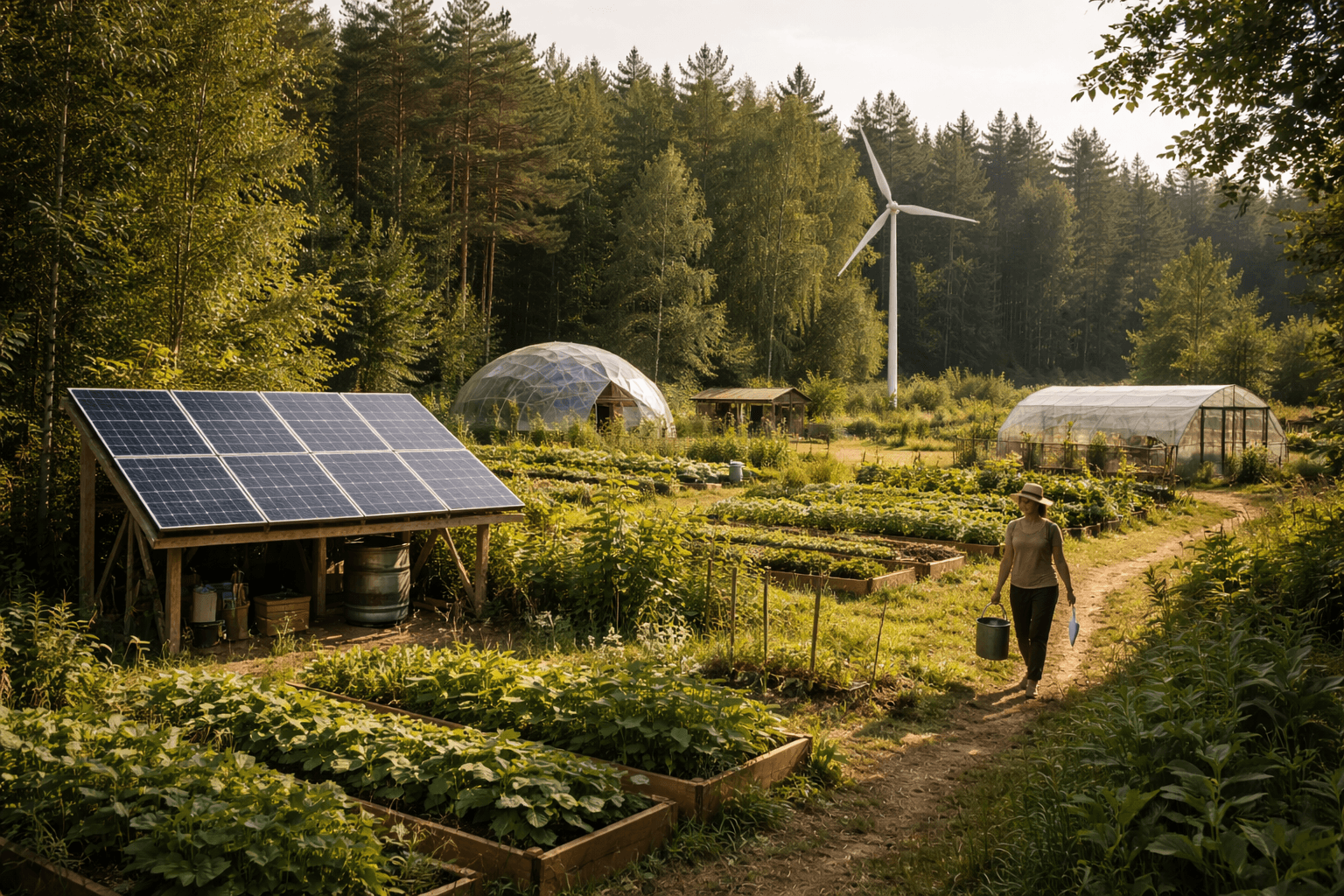
Nidrana Initiative Foundation is preparing the launch of its first pilot project in the Netherlands. This initial site will serve as a learning environment where the model can be tested, refined, and documented.

Image

Pilot Project

Launching the First Nidrana Pilot in the Netherlands

Nidrana Initiative Foundation is preparing the launch of its first pilot project in the Netherlands. This initial site will serve as a learning environment where the model can be tested, refined, and documented.

Image

Pilot Project

Launching the First Nidrana Pilot in the Netherlands

Nidrana Initiative Foundation is preparing the launch of its first pilot project in the Netherlands. This initial site will serve as a learning environment where the model can be tested, refined, and documented.