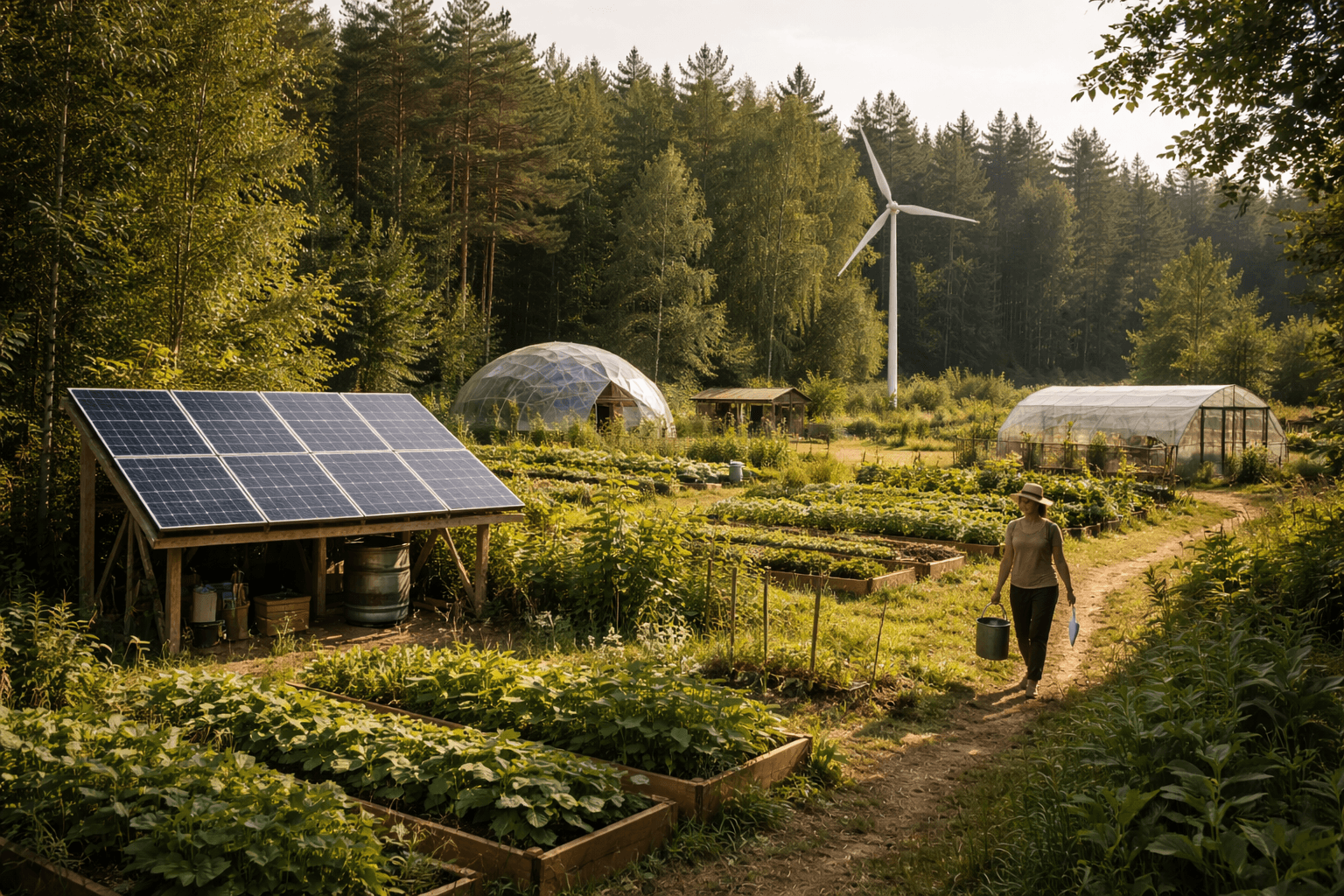
Nature-Based Spaces for Adult Well-Being and Social Connection
Nidrana Initiative Foundation develops community environments where adults can reconnect with themselves, others, and nature through creative, reflective, and shared experiences.
The Challenge We Address
Modern Life Moves Fast Many Adults Are Left Without Spaces to Reconnect
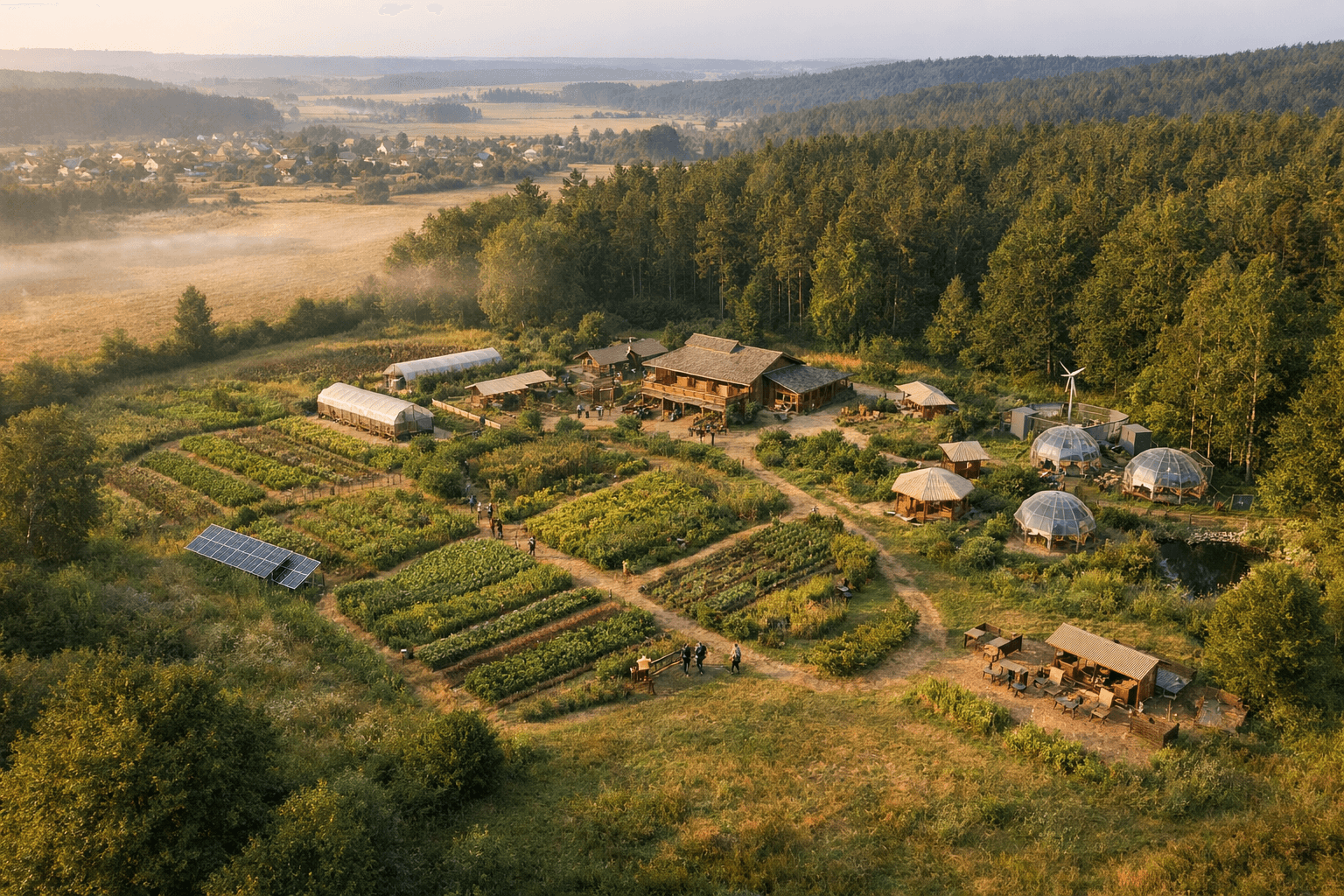
Stress, social isolation, and burnout are increasingly common across modern societies. While clinical services play an essential role, many adults lack accessible environments that support everyday well-being, reflection, and meaningful social connection.
Nidrana Initiative Foundation was created to address this gap by developing nature-based community spaces where adults can reconnect with themselves, others, and their surroundings through shared experiences such as creative activities, movement, reflection, and time in nature.

Dedicated Volunteers
How Nidrana Works
The Nidrana Model:
Three Interconnected Hubs
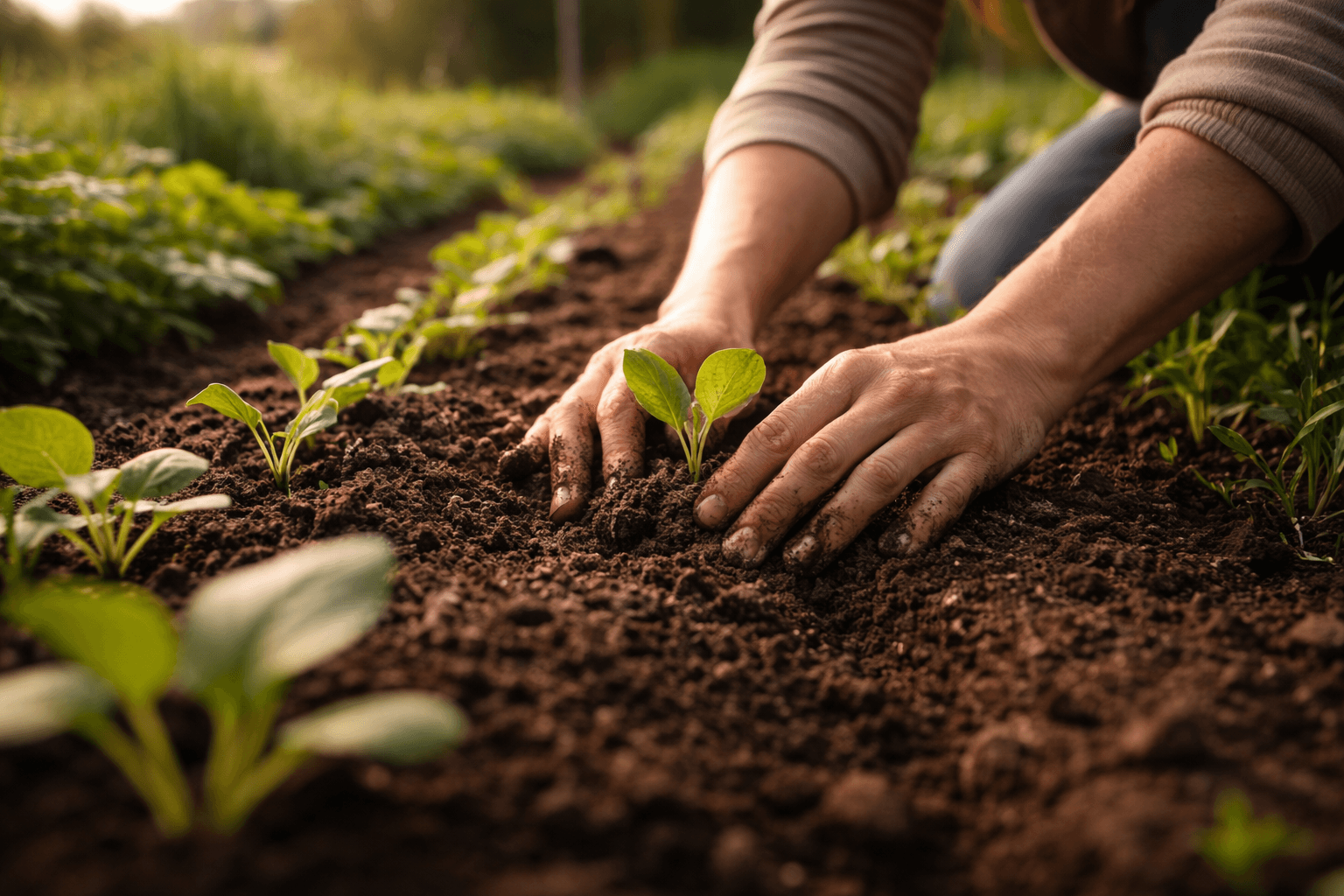
Nidrana operates through a structured model designed to support adult well-being, social connection, and community learning. Our initiative combines creative experiences, reflective learning, and ecosystem support to create environments where individuals and communities can grow together.
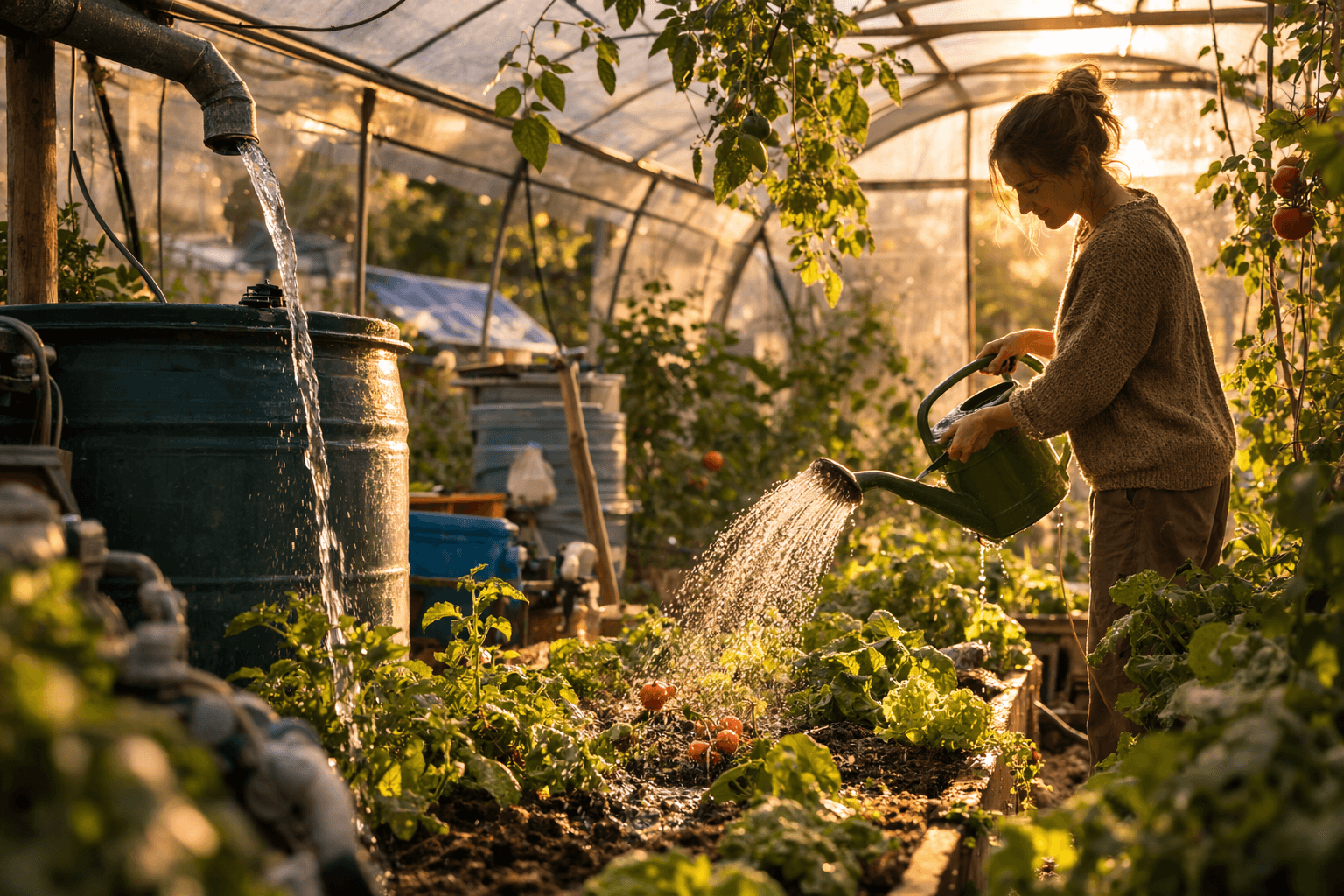

Towards Our First Space in the Netherlands
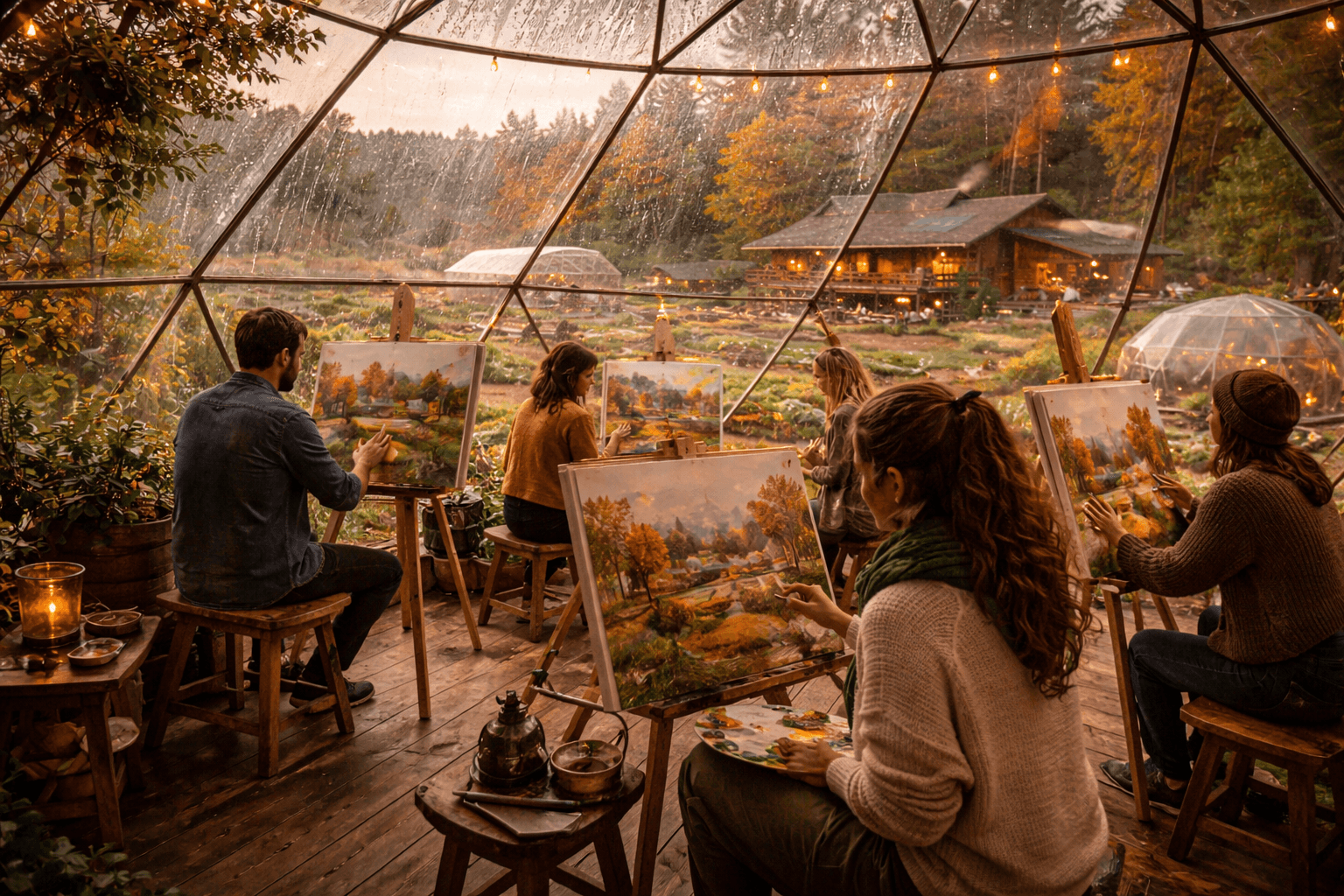
100% of Funds Go Directly to Programs & Developments
We believe in full transparency. The majority of every donation is used directly to support life-changing programs and community initiatives.
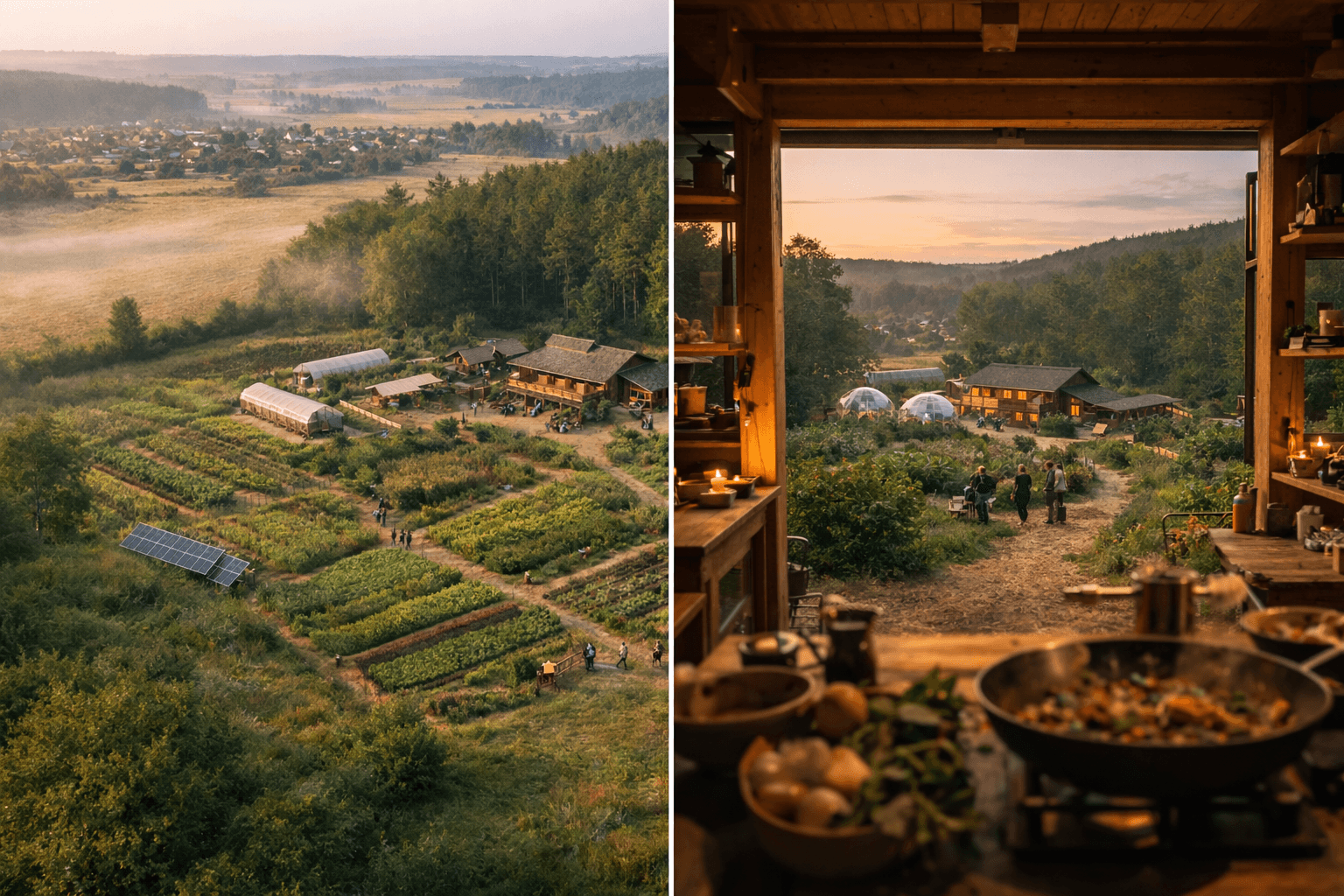
Programs & Experiences
Community Experiences Designed for Reflection, Creativity, and Connection
Nidrana offers a range of nature-based activities that support personal reflection, creative expression, and meaningful social interaction. These experiences are designed to be accessible, non-clinical, and welcoming to adults from diverse backgrounds.
All activities take place within a supportive, non-clinical environment where adults can reconnect with themselves, others, and nature in a respectful and inclusive setting.
Nature-Based Sessions
Guided outdoor activities that help participants reconnect with their surroundings and experience the calming effects of natural environments. Examples may include quiet nature walks, observation exercises, and group reflection in outdoor settings.